Maximizing Your Water Yield: Tips for Maintaining a Healthy Borehole Pump and Well
Protecting Your Most Valuable Water Source
A borehole is a significant investment, providing consistent and often cleaner water than municipal supplies.
But like any complex system, its efficiency and longevity depend heavily on proper maintenance. A neglected borehole pump or well can lead to reduced water yield, poor water quality, higher energy bills, and ultimately, costly repairs.
Whether you're using groundwater for domestic supply, irrigation, livestock, or industrial processes, the performance of your borehole pump and the overall health of your well determine how much water you get and how long your system will last.
To keep your borehole functioning optimally, ongoing care is essential.
This guide covers everything you need to know about maximizing water yield, extending pump lifespan, and maintaining a healthy borehole system.
Understanding Your Borehole System
Before diving into maintenance tips, it's crucial to understand the two main components of your system: the well structure and the submersible pump.
1. The Well Structure (Borehole)
The well itself is a narrow shaft drilled into the ground to access a water-bearing aquifer. Key parts include:
Casing: The pipe lining the bore, preventing the hole from collapsing and keeping contaminants out.
Screen/Filter: Located at the bottom, this allows water to enter the well while keeping sand and sediment out.
Gravel Pack (in some wells): A layer of sorted gravel around the screen to enhance filtration.
Annular Seal: A cement or bentonite clay seal near the surface to block surface water and pollutants from entering the wellbore.
2. The Submersible Pump
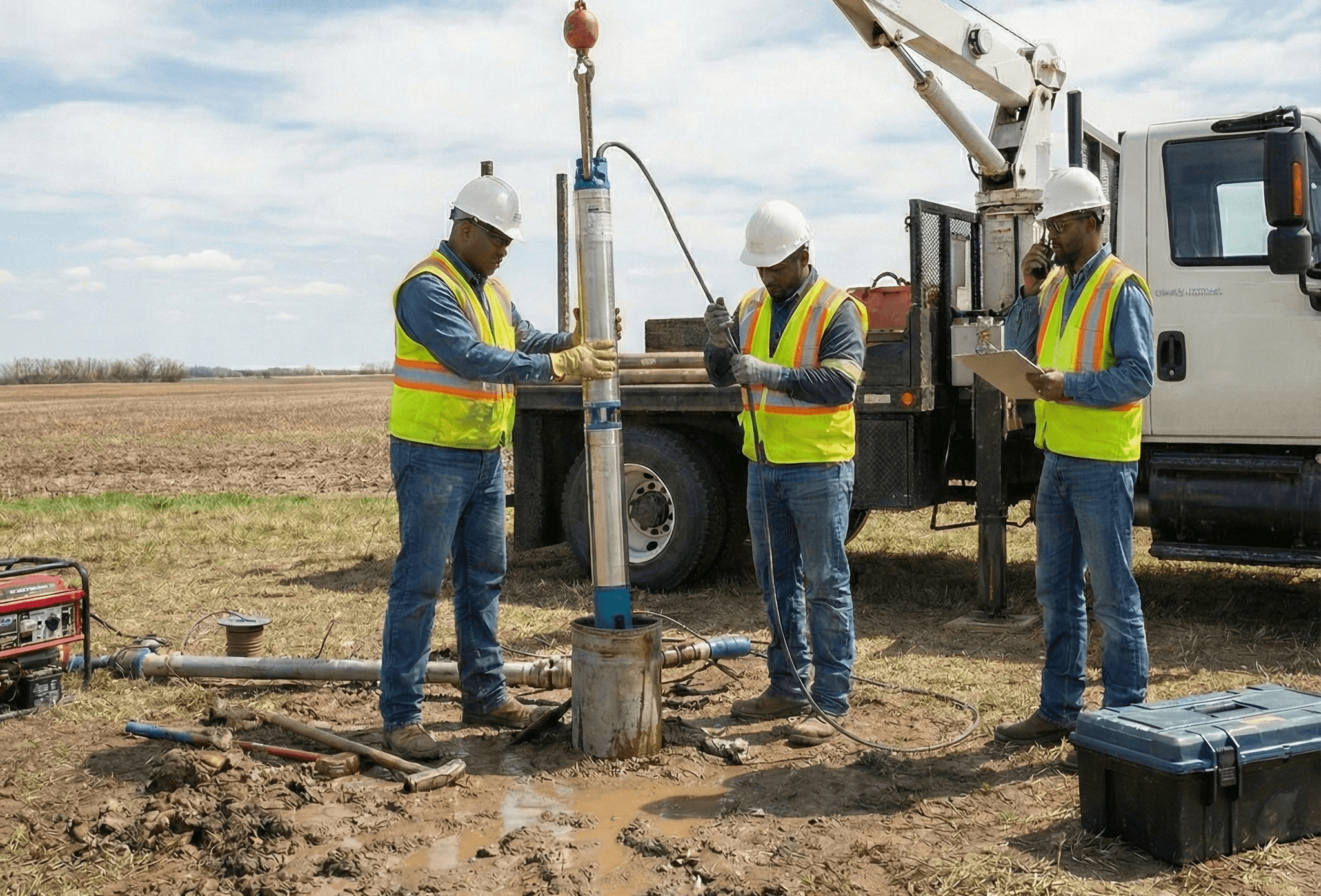
Most modern boreholes use a submersible pump—a pump and motor hermetically sealed and designed to be fully submerged in the water.
Motor: Provides the power.
Impellers/Stages: The rotating components that lift the water. More stages mean more lifting capacity (higher pressure).
Riser Pipe: The pipe carrying the water from the pump up to the surface.
Pump Cable: The electrical cable powering the motor.
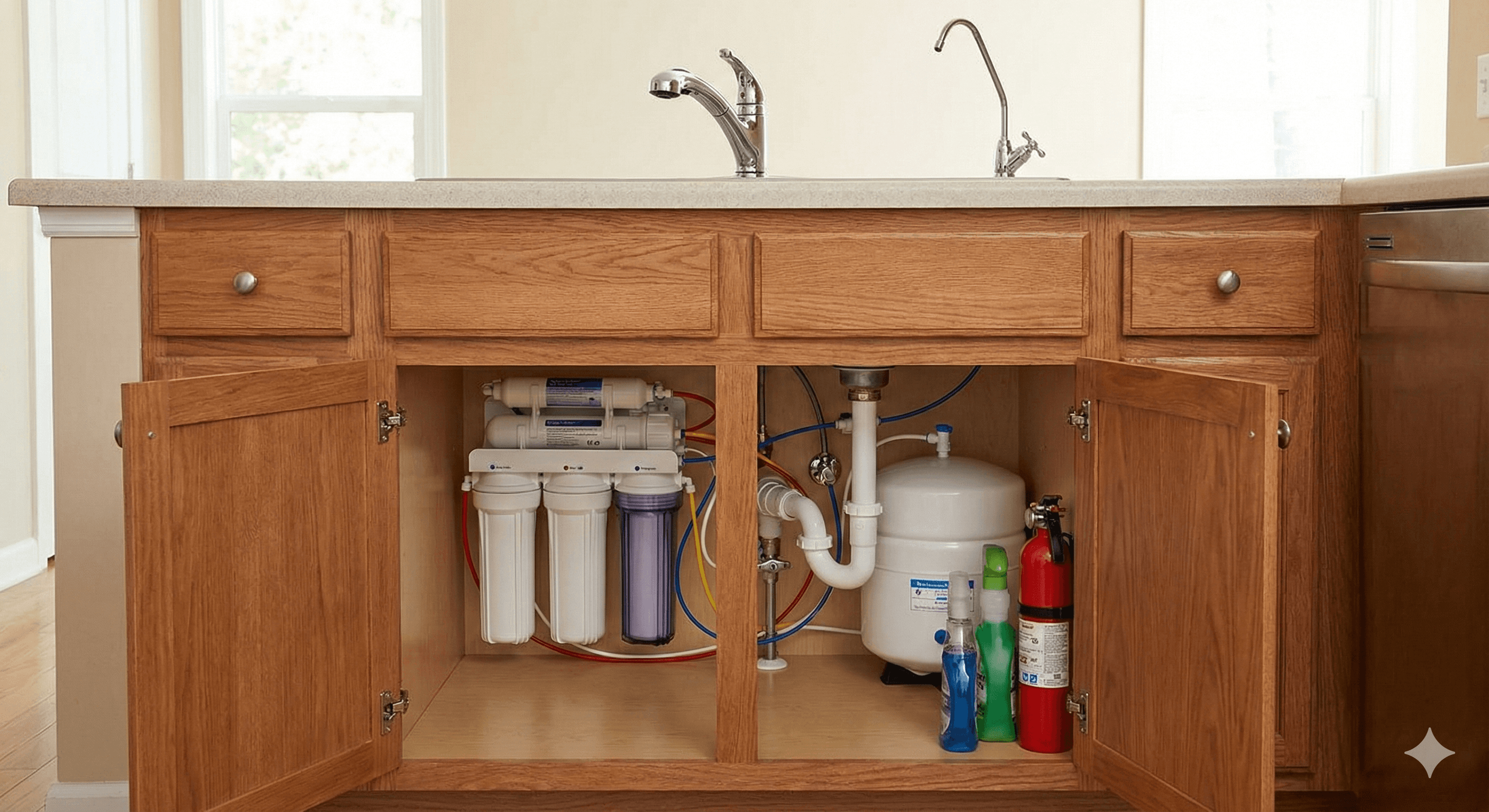
Pressure Tank/Controller: A surface component that stores water and manages pump cycling.
Essential Maintenance Practices for Peak Performance
Regular, proactive maintenance is the cornerstone of a healthy borehole system.
1. Monitor Water Output and Quality
This is your most important daily indicator.
Track Flow Rate: Note any sudden or gradual decrease in water flow or pressure. A drop in flow can indicate a pump issue, a falling water table, or well screen clogging.
Check Water Quality: Periodically test the water for changes in color, odor, taste, or the presence of sediment. Increased sediment can signal a compromised screen or excessive pumping.
Measure Static Water Level: Have a professional periodically measure the static water level (the level when the pump is off) and the pumping water level (the level when the pump is running). A significant drop in the pumping level suggests the well is being over-pumped or the aquifer yield has decreased.
2. Check the Pressure Tank and Controls
The pressure tank regulates the pump's cycles, preventing it from turning on and off too frequently (short cycling), which wears out the motor.
Check Air Pre-charge: The tank contains an air bladder that should be pre-charged with air pressure (usually 2 PSI below the pump's cut-in pressure). If this pressure is lost, the tank becomes waterlogged, leading to short-cycling. This should be checked annually by a professional.
Inspect the Pressure Switch: Ensure the switch is clean and operating reliably to maintain the correct cut-in and cut-out pressures.
3. Regular Chemical Cleaning (Well Rehabilitation)
Over time, mineral deposits (scale) and bacterial growth (biofouling) can clog the well screen and the pump's impellers, severely reducing water yield.
When to Clean: This is typically needed when water output drops by 15-25% or if significant biofouling is detected.
Acid Treatment: Strong acids (like inhibited muriatic acid) are used to dissolve mineral scale (e.g., calcium carbonate, iron).
Chlorine Treatment: High-strength chlorine solutions are used to kill iron bacteria and other biological contaminants causing biofouling.
Note: Chemical cleaning is a specialist task and should always be performed by a certified well contractor due to the hazardous nature of the chemicals involved.
4. Pump Electrical Check-up
The motor and cable are vulnerable components.
Check Voltage and Amperage: An electrician or pump technician should check the motor's running amps and voltage. High amperage often signals a pump struggling against blockages or excessive load.
Inspect Wiring: Periodically check the visible electrical connections at the control box for signs of corrosion, overheating, or rodent damage.
Frequency | Action | Responsibility | Potential Indicators/Notes |
Weekly/Monthly | Visually inspect the wellhead. | Owner | Check for secure cap, pooling water, or damage. |
Quarterly | Monitor flow rate and pressure. | Owner | Note any significant drops. Time how long it takes to fill a specific container. |
Annually | Get water quality tested (bacteria, minerals). | Professional | Essential for health and identifying scale/biofouling issues early. |
Annually | Check pressure tank air charge. | Professional/Owner | Check for short-cycling; requires pump to be turned off. |
Every 3-5 Years | Full system performance test. | Professional | Measure static/pumping water levels, check motor amps/voltage, evaluate well yield. |
As Needed | Well Rehabilitation (Cleaning). | Professional | When flow rate drops by $\approx 20\%$. |
Signs Your Borehole System Needs Attention:
Before we dive into maintenance, it's crucial to recognize the warning signs:
Decreased Water Pressure: If the flow from your taps is weaker than usual, your pump might be struggling or your well could be experiencing issues.
Intermittent Water Supply: Water cutting out or inconsistent flow suggests a problem with the pump, pressure tank, or even the water level in the well.
Cloudy or Sandy Water: This indicates sediment entering the well, which can damage your pump and degrade water quality.
Increased Energy Bills: A struggling or inefficient pump will consume more electricity to deliver the same amount of water.
Unusual Noises from the Pump: Grinding, humming, or excessive vibration from the pressure tank area are red flags.
Essential Tips for Maintaining a Healthy Borehole System:
Annual Professional Inspection: This is paramount.
Check pump efficiency and amperage draw.
Inspect electrical connections for safety and corrosion.
Test pressure tank settings and air charge.
Assess the wellhead for cleanliness and integrity.
Conduct a basic water flow test to monitor yield over time.
Regular Water Quality Testing: While the borehole structure lasts decades, water quality can change due to environmental factors.
Test your water annually for bacteria, minerals, and other contaminants. This helps you identify if your existing water treatment system is still effective or if an upgrade is needed.
Keep the Wellhead Area Clean: Prevent debris, chemicals, or surface water from entering your well. Ensure the cap is secure and the area around the well is free from standing water and potential pollutants.
Monitor Your Pressure Tank: The pressure tank helps maintain consistent water pressure and reduces pump cycling. If your pump cycles on and off frequently, it could indicate a low air charge in the tank, requiring a simple adjustment.
Be Mindful of Usage: While boreholes offer abundant water, avoid unnecessarily running your pump for extended periods, as this can lead to premature wear.
Need Professional Help?
When in doubt, always contact a certified and licensed well drilling and pump contractor. They have the specialized tools (like down-hole cameras and logging equipment) and expertise to diagnose complex issues and perform necessary repairs or rehabilitation safely and effectively.
[Schedule Your Borehole Maintenance Check-up Today]