KITCHEN CABINET RO: IS IT WORTH IT
The Quest for the Perfect Glass of Water: Is Under-Sink Reverse Osmosis Right for You?
We all know the struggle: the suspicious smell of chlorine from the tap, the endless cycle of refilling plastic pitchers, or the guilt of buying yet another case of bottled water. Enter the Kitchen Cabinet Reverse Osmosis (RO) System the gold standard of home water filtration that promises bottled-quality water straight from your sink.
But is sacrificing your precious under-sink storage worth it? This guide breaks down everything you need to know about turning your kitchen cabinet into a mini water treatment plant.
💧 How It Works (Without the Boring Science Class)
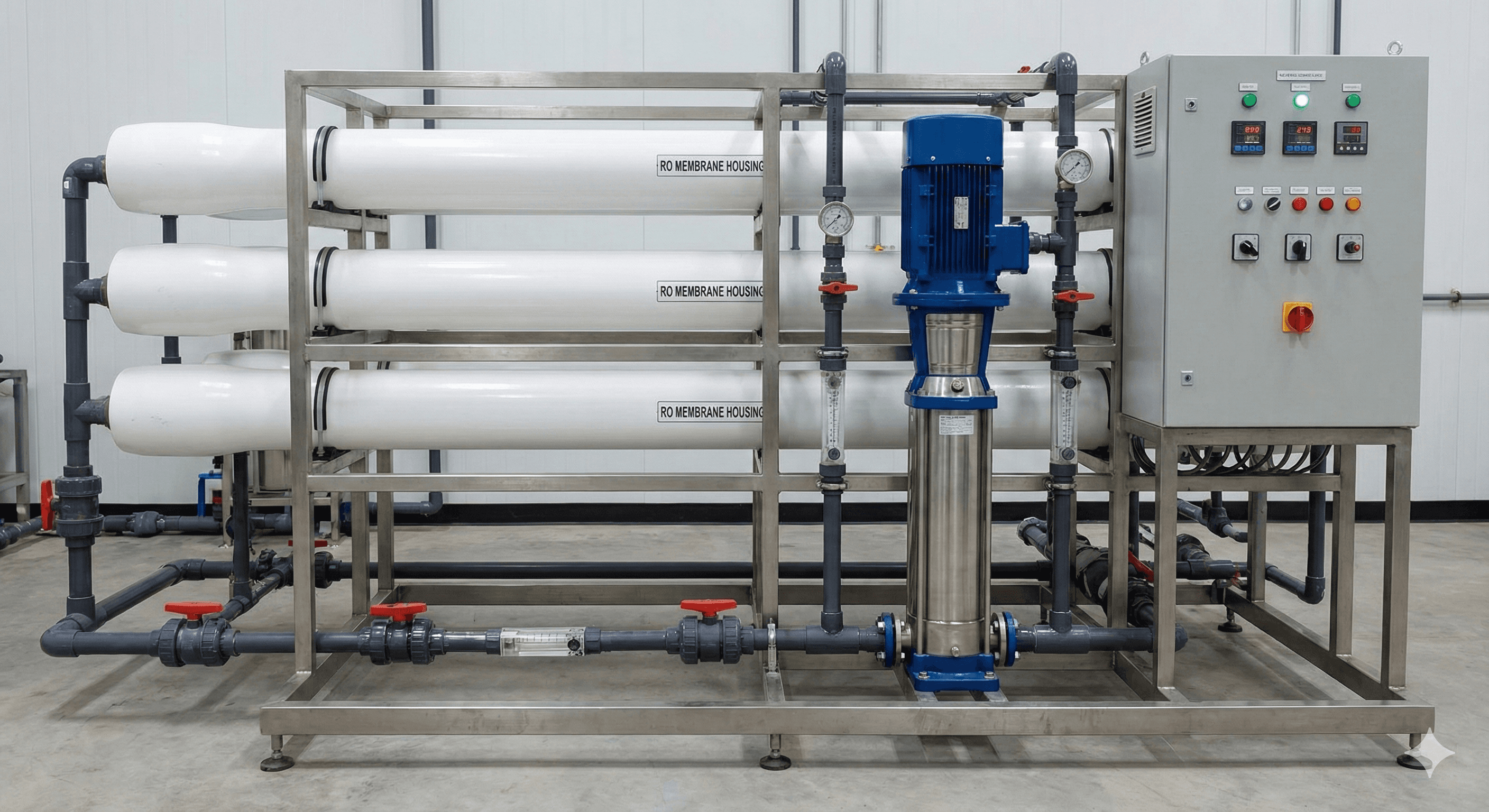
Think of Reverse Osmosis as a security detail for your water. Unlike a standard carbon filter (like a Brita) that just acts like a net catching large debris, an RO system forces water through a semi-permeable membrane.
This membrane is so fine that it rejects up to 99% of contaminants, including:
Heavy Metals: Lead, Arsenic, Mercury.
Dissolved Solids: Fluoride, Nitrates, Sulfates.
Microplastics & Bacteria: Stuff you definitely don't want in your coffee.
The Typical Setup:
Most systems are "multi-stage" (usually 4 to 6 stages).
Sediment Filter: Traps rust and dirt.
Carbon Filter: Removes chlorine and bad tastes.
RO Membrane: The heavy lifter that strips the invisible toxins.
Post-Filter (Polishing): Ensures the water tastes crisp before it hits your glass.
Optional Remineralization: Adds healthy minerals (calcium/magnesium) back in so the water isn't too pure (which can taste flat or acidic).
📏 The Reality Check: Space & Installation
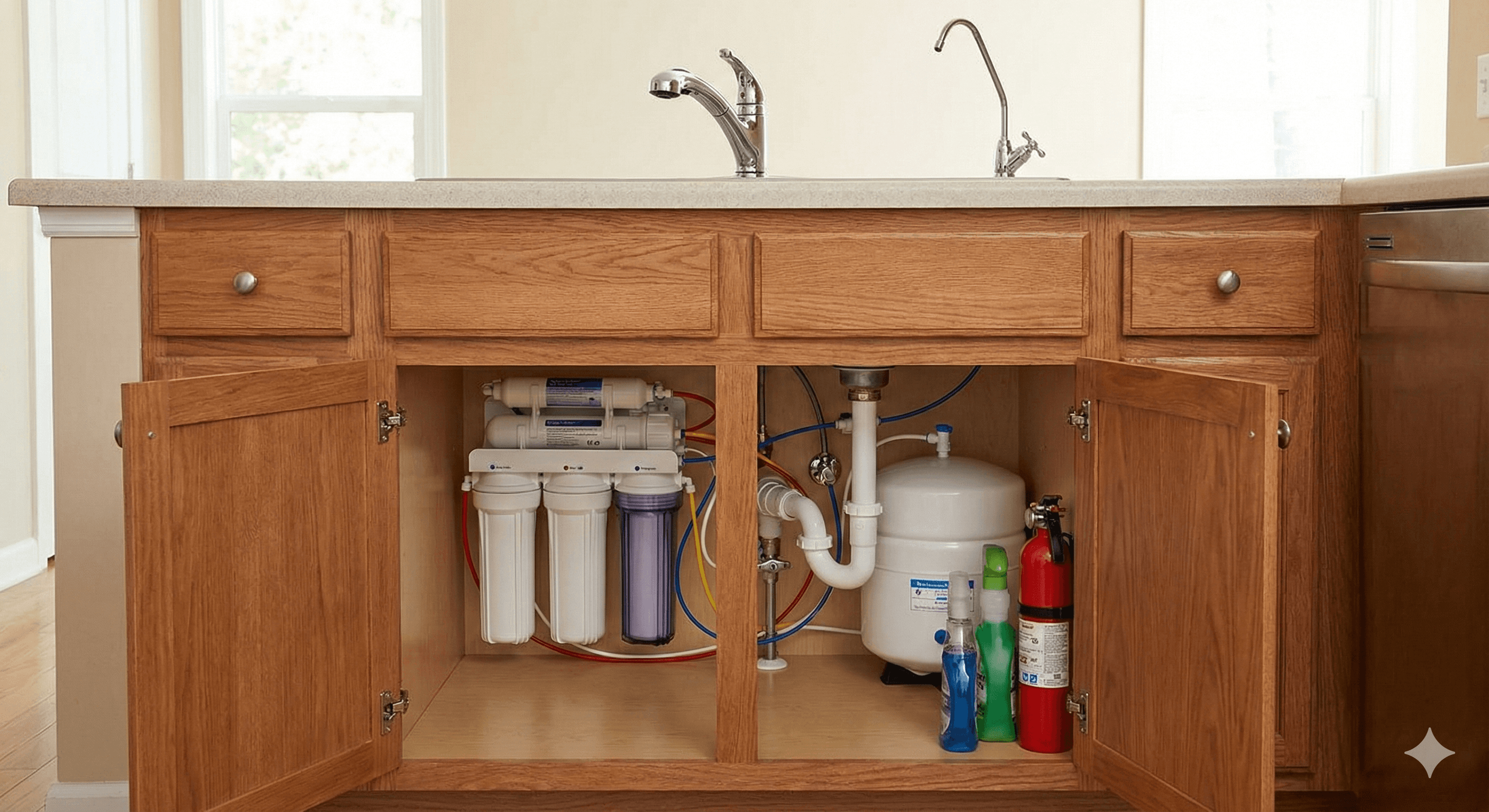
Before you buy, open your cabinet. The biggest hurdle for most homeowners is "cabinet real estate."
1. Tank vs. Tankless
Traditional (Tank) Systems: These come with a bulky storage tank (holding 2-4 gallons) that sits alongside the filter unit.
Pros: Cheaper, consistent water pressure.
Cons: Takes up 50% of your under-sink space.
Tankless Systems: sleek, all-in-one boxes.
Pros: Saves massive space, produces water on demand (no running out).
Cons: Requires an electrical outlet under the sink; often 2x the price.
2. The Installation Factor
Can you DIY this? Yes, if you are handy.
Difficulty: Moderate (4/10).
Key Tasks: You will need to drill a hole in your drain pipe (for wastewater) and possibly your countertop (for the dedicated faucet), though many people replace a soap dispenser or sprayer to avoid drilling granite.
🏆 Top Contenders for 2025
Based on current performance testing and user satisfaction, here is how the landscape looks:
Category | System Type | Why it Wins |
Best Overall Value | iSpring RCC7AK | A legendary 6-stage tank system. It restores healthy minerals, tastes amazing, and parts are widely available. |
Best Space Saver | Waterdrop G3P800 | A premium tankless beauty. It fits in tight spaces, has a smart faucet with TDS readout, and wastes very little water. |
Best "Smart" Tech | Cloud RO | Tracks your water quality and filter life via an app. It uses a unique pressurized system that doesn't require a traditional air-bladder tank. |
Best Countertop | AquaTru | No installation required. If you rent or can't drill holes, this sits on the counter but offers the same RO quality. |
⚠️ The "Hidden" Costs to Consider
RO is amazing, but it’s not magic. Be aware of the trade-offs:
1. Wastewater (The Efficiency Ratio)
To clean the membrane, RO systems use water to wash away the rejected contaminants.
Old Systems: Wasted 3 to 4 gallons for every 1 gallon of drinking water (4:1 ratio).
Modern/Tankless Systems: Much more efficient, often achieving a 1.5:1 or even 1:1 ratio.
2. Filter Replacements
This isn't a "set and forget" appliance.
Pre-filters: Change every 6–12 months (~$30–$50).
RO Membrane: Change every 2–3 years (~$50–$80).
Pro Tip: Neglecting filter changes will clog the membrane and ruin the system pressure.
3. Flow Rate
RO water flows slower than your main tap. Filling a large pot for pasta might take a minute, not 10 seconds. (Tankless systems are generally faster here).
✅ The Verdict: Is It Worth It?
Yes, if:
You live in an area with hard water, high TDS (Total Dissolved Solids), or specific concerns like lead or "forever chemicals" (PFAS).
You are tired of buying bottled water and want to reduce plastic waste.
You consider yourself a coffee or tea aficionado (pure water extracts flavor better).
No, if:
You have zero under-sink space and no electrical outlet (for tankless).
You are renting and cannot modify the plumbing (stick to a countertop unit like AquaTru).