AI in Your Pipes: How Machine Learning Predicts Leaks Before They Destroy Your Home

Imagine waking up to the sound of dripping water by the time you wake up, your POP ceiling is sagging, your expensive rug is soaked, and the "musty smell" of damp walls is already setting in.
Have you ever paused to wonder what invisible forces might be at work in your plumbing long before such a disaster strikes? What if I told you that tiny, unnoticed changes in your pipes could signal trouble ahead and that emerging technologies might help us anticipate them? This scenario is a homeowner’s nightmare, often resulting in huge damage, cost implication on maintenance and tracing the source of the leakage, mold remediation, and insurance headaches.
However, as we move into 2026, the era of reactive plumbing; where you only fix what is already broken is ending and is replaced with AI-driven predictive maintenance, a technology that lives inside your pipes, "listening" to the heartbeat of your home’s water system to stop disasters before they escalate.
The Nigerian Reality: Why Our Pipes Are Different
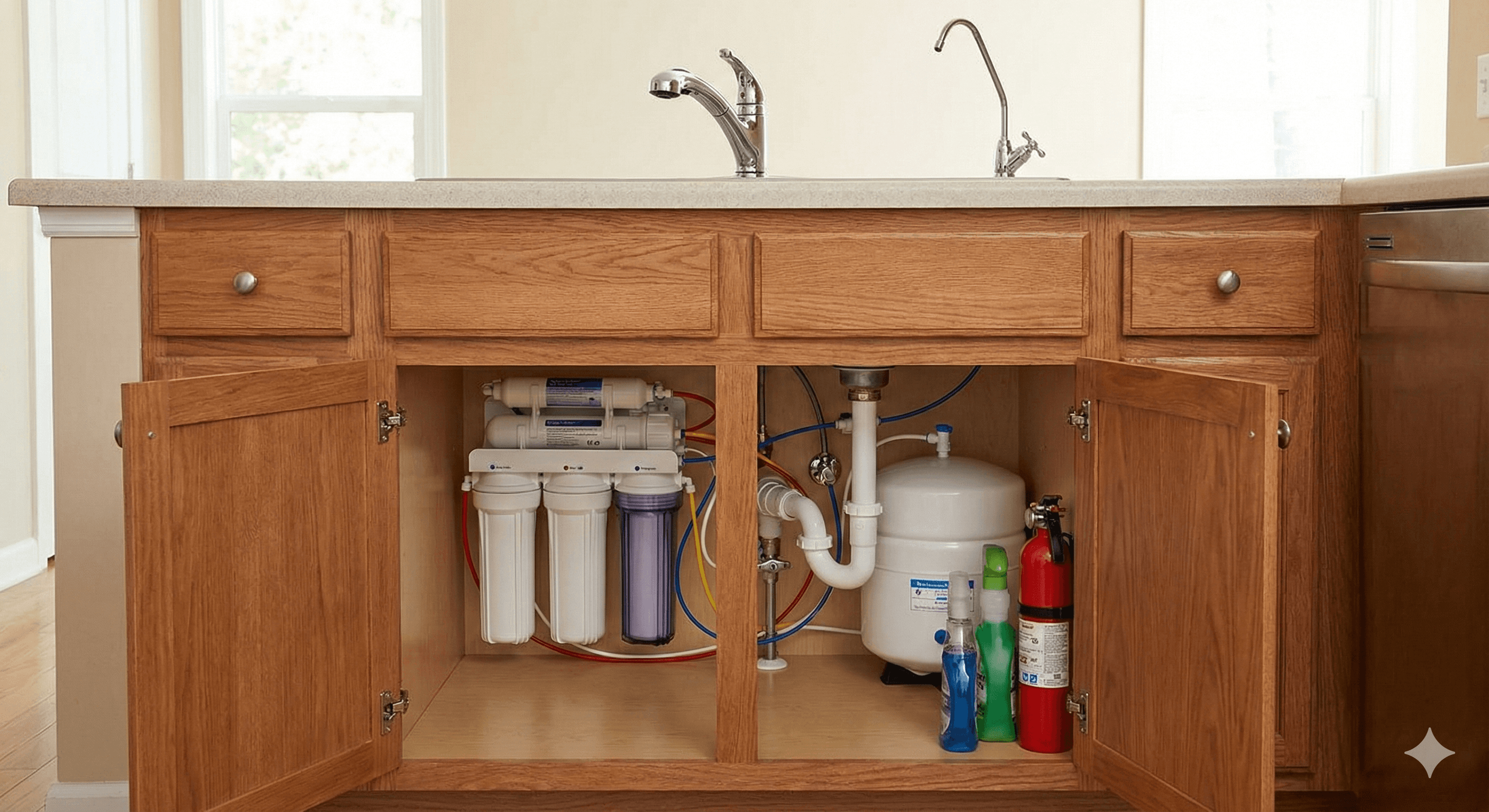
Plumbing in a typical Nigerian home (from Lekki to Maitama) faces unique stresses that European or American systems don't:
The "Pump Pressure" Stress: We don’t have steady municipal water pressure. We use 1HP or 1.5HP pumps to blast water into overhead tanks. This "on off" surge creates water hammer, a shockwave that rattles joints and causes "hidden" pinhole leaks.
Substandard Materials: Let’s be honest; not every pipe bought in the market is "Original." Low quality fittings expand in the heat and contract when the water flows, leading to cracks behind tiles where you can't see them. Pipes that last
The Tank Mystery: You pumped water yesterday, but the tank is empty this morning? You assume the family used it all, but often, it’s a silent underground leak feeding the foundation of your house.
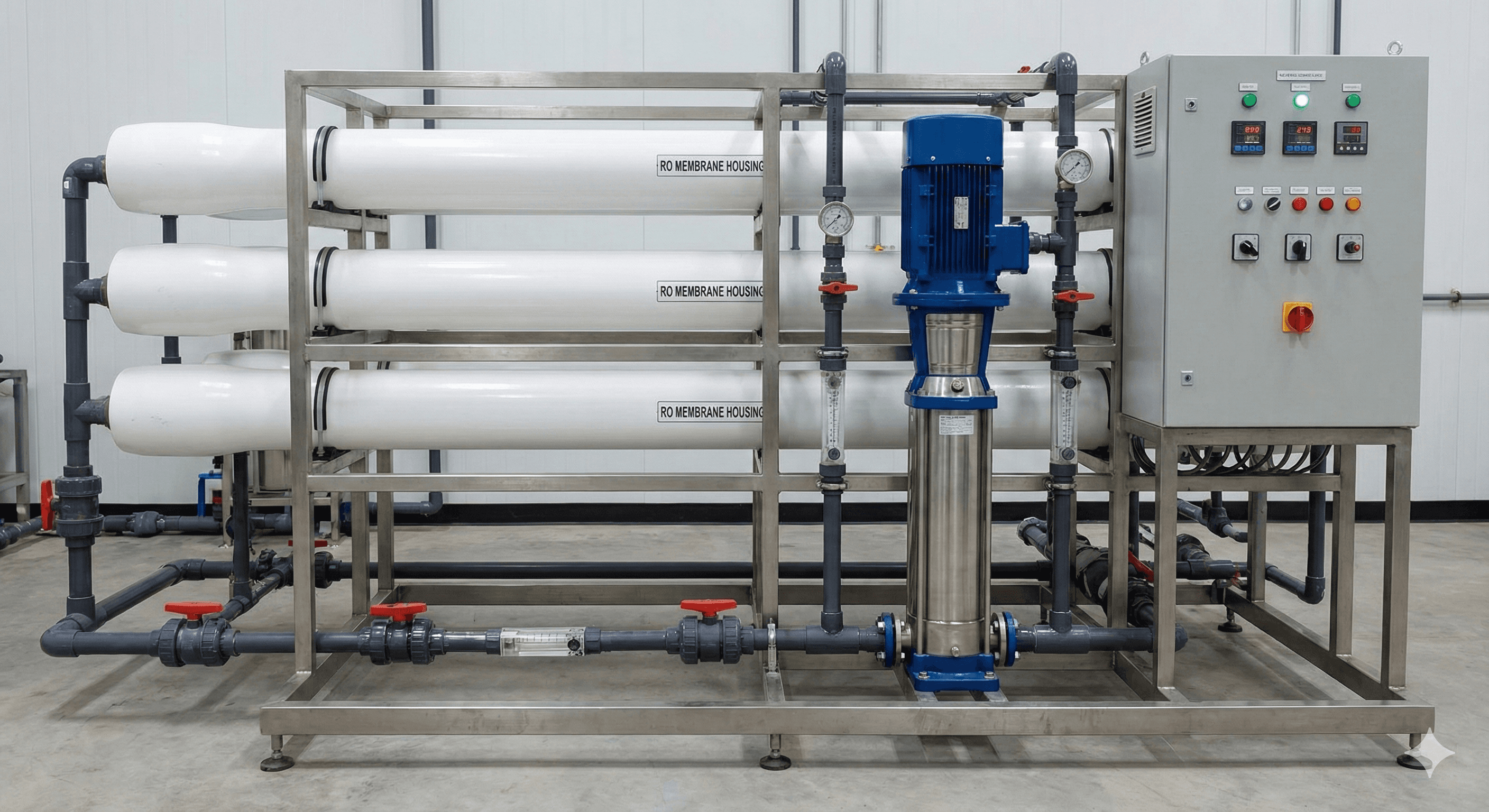
The future of water purification
How Machine Learning "Learns" Your Life
The "intelligence" in these AI leak detection systems comes from Machine Learning (ML) algorithms.
When you first install an AI water monitor, it begins a "learning phase" (typically 7 to 14 days). During this time, the AI builds a digital profile of your home’s water habits:
1. Fingerprinting: The AI learns the patterns and habit of your water usage. A dishwasher has a specific flow pattern; a toilet flush has a unique pressure drop; a shower has a sustained, steady flow.
2. Baselines: It establishes what "normal" pattern looks like in your home. It knows that at 3:00 AM, there should typically be zero water flow.
3. Anomaly Detection: Once the baseline pattern is set, the AI looks for anomaly outliers. If it detects a constant flow of 0.1 gallons per hour for three days straight, it doesn't wait for a flood. It knows that no human is using water that slowly and consistently, and it flags it as a micro-leak.
Future-Proofing Your Home
As we look toward 2026 and beyond, AI in plumbing is becoming more integrated. We are seeing the rise of Digital Twins—virtual replicas of your home’s plumbing stored in the cloud. These digital twins allow the AI to run "what-if" scenarios, predicting how a spike in city water pressure might affect your specific aging pipes.
The old way of protecting your home involved manual sensors, your plumber tracing the source of the leak and breaking areas not affected by the leak.
Is Your Home Prepared for the Future?
We invest in security cameras to stop burglars and smoke detectors to stop fires. But water leakage is seven times more likely to occur than a fire or a burglary.
The Old Way (Reactive) | The 2025 Way (Predictive) |
Discovering a flood after the damage is done. | Stopping the leak while it's still a microscopic crack. |
Guessing why your water bill is so high. | Instant alerts showing exactly which toilet is running. |
Massive insurance claims and "restoration" crews. | Lower insurance premiums and a bone-dry basement. |
Feeling helpless against "hidden" problems. | Total control in the palm of your hand. |
How to Get Started
you don't need a "Smart Mansion" to use this. You can start small:
WiFi Leak Sensors (Under ₦25,000): Place these under sinks or near your water heater. They "shout" to your phone the moment they feel moisture.
Whole-Home AI Monitors (The "Pro" Choice): Installed on your main line after the tank. These are the "brains" that analyze flow and can shut off the water remotely.
The "Nigerian Special": Smart Tank Level Monitors: Uses ultrasonic waves to see the water level. If the level drops too fast at night (when no one is using it), the AI app flags a "System Leak."
https://grus.io/pt/blog/smart-water-valve-insurance-requirements-discounts-2025/
https://www.u-buy.com.ng/product/5OFQP2-moen-920-005-flo-by-moen-smart-water-detector-3-pack
https://www.u-buy.com.ng/product/5OFQP2-moen-920-005-flo-by-moen-smart-water-detector-3-pack