Borehole 101: Understanding the Costs, Lifespan, and Maintenance Requirements
Why Invest in a Borehole?
Access to consistent, clean water shouldn't be a daily challenge. For many homes and businesses, installing a borehole is the single best investment in reliability and self-sufficiency. At Usimiri General Ventures, we specialize in managing this process from the initial survey to the first drop of clean water.
The Borehole Process, Step-by-Step
Understanding the key phases helps you budget and plan:
Geological Survey & Permitting: We begin with a hydro-geological survey to identify the best drilling location and the expected water table depth. This step is critical for success and includes securing any necessary local permits.
Professional Drilling: Using high-grade machinery, our certified drillers bore the hole. The cost here is highly dependent on the depth required to reach a sustainable aquifer.
Casing and Gravel Packing: PVC or steel casing is installed to prevent the well from collapsing. Gravel packing is added around the casing to filter the water as it enters the well. This directly impacts the lifespan of your borehole.
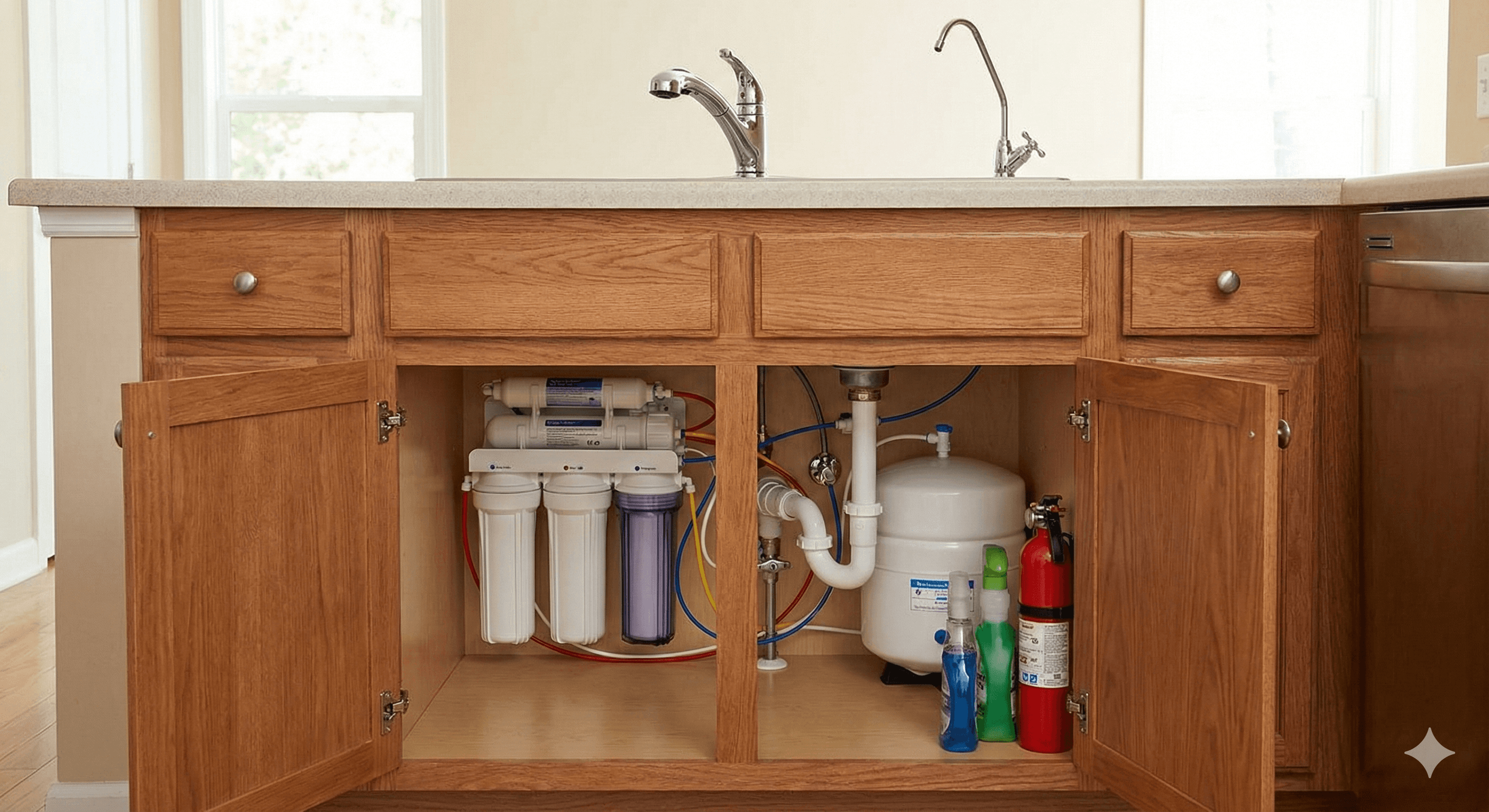
Pump Installation & Plumbing: We install a high-quality submersible pump and pressure tank, connecting the borehole system directly to your property’s plumbing network.
Water Quality Testing: Before the system is handed over, we conduct a test to determine the mineral content and purity, which dictates any necessary Water Treatment solutions.
What is the Lifespan of a Borehole?
With professional installation and proper maintenance, the well structure itself can last several decades. However, the mechanical components will need service:
Pumps and Components: Typically last 5 to 15 years, depending on the water quality (high sediment or acidity reduces lifespan) and the usage volume.
The Usimiri Difference: We source only durable, high-grade pumps and materials to ensure maximum longevity and efficiency for your system.
Maintenance Requirements
To protect your investment, regular maintenance is crucial:
Annual Checkup: We recommend an annual service to check pump pressure, electrical connections, and tank performance.
Cleaning: Periodic well flushing or chlorination may be necessary to clear sediment or biological growth.